Dear Santa, It Was the Dog
A Designer’s First Look: Whimsy with Warmth
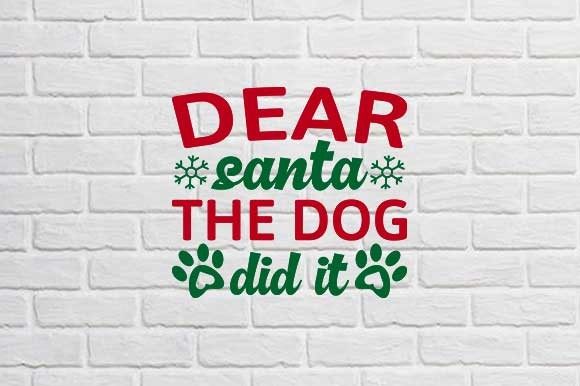
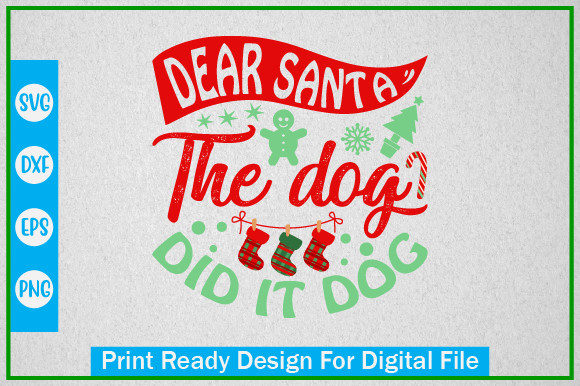
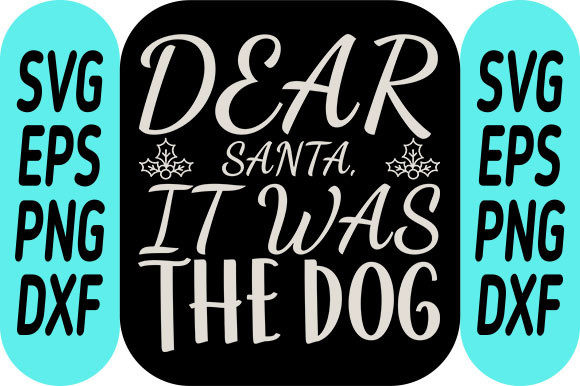
Opening Christmas Design, Dear Santa, It Was feels like unboxing a well-wrapped holiday inside joke — gentle, slightly mischievous, and instantly relatable. The phrase “Dear Santa, it was the dog” lands with quiet charm, not loud novelty. It’s not cartoonish or overly cutesy; instead, it leans into soft humor and domestic warmth — exactly the kind of tone that resonates on handmade holiday gifts, baby onesies, or boutique aprons. Visually, the layout balances readability and personality: clean lettering with subtle weight variation, likely designed to hold up across stitch types without collapsing. There’s no heavy ornamentation, no dense flourishes — just friendly typography and implied narrative. That makes it unusually versatile for both machine embroidery design and digital craft use.
Where This Design Truly Shines (and Why)
I recently tested Christmas Design, Dear Santa, It Was on a natural linen tea towel for a local gift shop’s holiday line. Stitched in matte cotton thread with light tear-away stabilizer, it read clearly at 4.5 inches wide — legible from across the room, yet intimate enough for a kitchen counter display. That’s its sweet spot: medium-scale, low-stress embroidery projects where clarity and character matter more than flash.
- Tote bags & sweatshirts: Works beautifully centered on the chest or lower back — the phrase has natural rhythm and fits standard hoop sizes without awkward cropping.
- Baby embroidery & nursery decor: Gentle humor reads as tender, not sarcastic. Perfect for onesies, burp cloths, or pillow covers — especially when paired with a simple paw print or bone motif (though this file stands alone).
- Embroidered patches & aprons: Clean lines translate well to satin stitch borders and smooth fill stitch interiors. No fine serifs or fragile joins to snag during trimming or wear.
- Etsy listings & small shop products: As a digital embroidery file, it’s commercially viable — the theme is seasonal but not dated, the voice is inclusive, and the file formats (EPS, SVG, PNG, DXF) support both embroidery machines and cutting software users.
Where to Pause — Not Problems, Just Practical Checks
This isn’t a “set and forget” design for every surface. Its strength lies in thoughtful placement, not universal adaptability.
On curved surfaces like caps or structured hats, test stitch density first — tight fills may pucker if the fabric doesn’t relax evenly. Likewise, thin or stretchy fabrics (like lightweight knits or jersey) need medium-weight cutaway stabilizer underneath; running stitch outlines can shift without support. And while the lettering is generous, avoid scaling below 3 inches — tiny “i” dots or narrow “l” stems may lose definition in fill stitch, especially on textured fabrics like terry cloth or bouclé.
For dark fabric, check contrast in your thread palette early. Light ecru or heather gray thread won’t pop on navy or charcoal unless you add an underlay or switch to white. And if you’re layering it over other designs (say, a stitched snowman on a sweater), leave breathing room — the phrase carries visual weight and shouldn’t compete.
What It Adds to Your Finished Product — Beyond Stitching
Using Christmas Design, Dear Santa, It Was does more than decorate — it adds narrative. Customers don’t just buy a monogrammed towel; they buy a story they recognize. That builds trust. A personalized gift with this design feels considered, not generic. On Etsy, it performs well in search because it’s specific (“dog,” “Santa,” “Christmas”) yet emotionally broad — parents, pet lovers, and nostalgic adults all pause.
It also supports brand consistency for craft businesses. Whether you’re selling embroidered kitchen linens or custom baby sets, this design reinforces a warm, human-centered aesthetic — no stock clipart energy here. And because it avoids religious or overly commercial tropes, it fits diverse holiday displays, inclusive gifting, and even non-Christmas-but-still-cozy winter merchandise.
Designer Notes You’ll Actually Use
- Always stitch a test on scrap fabric first — especially if using textured weaves or blending thread colors.
- Review stitch density in your embroidery software. If fill areas look overly dense, reduce density by 5–10% for breathable fabrics like cotton poplin or linen.
- Confirm hoop size compatibility. The design likely fits standard 4x4 or 5x7 hoops — but open the files in your editing software to verify before hooping.
- Inspect corners and small details at 200% zoom. Look for stray nodes or overlapping paths — common in EPS/SVG exports — that could cause stitching hiccups.
- Test black-and-white mockups before finalizing product photos. Does it read equally well on light and dark backgrounds? Does the spacing feel balanced?
- Use proper stabilizer: light tear-away for stable wovens, cutaway for knits, and water-soluble for delicate layers like lace overlays.
- Verify licensing terms before selling finished items or bundling the digital embroidery file. Since it’s categorized as Graphics within Crafts, confirm whether commercial use is included — many sellers assume it is, but always double-check.
Final Thought: A Quiet Standout
In a sea of glittering reindeer and bold “Merry Everything” slogans, Christmas Design, Dear Santa, It Was is refreshingly grounded. It doesn’t shout — it smiles. That makes it ideal for makers who value authenticity over volume: Etsy sellers building loyal followings, small shops curating intentional holiday collections, and designers crafting personalized gifts that land with sincerity. It’s not flashy embroidery eye candy — it’s reliable, expressive, and quietly memorable. Exactly the kind of design that turns a simple tote bag into a keepsake, or a baby onesie into a family heirloom-in-the-making.