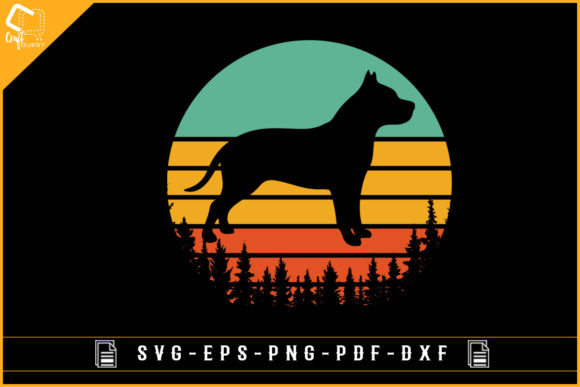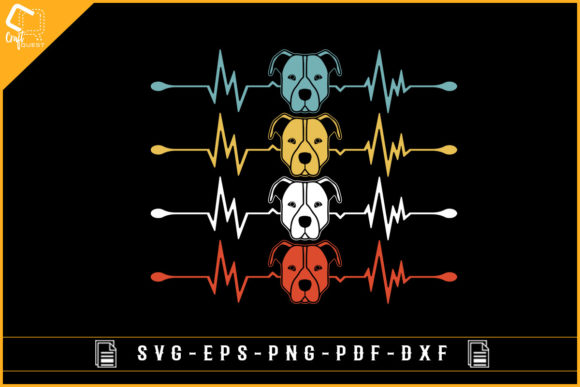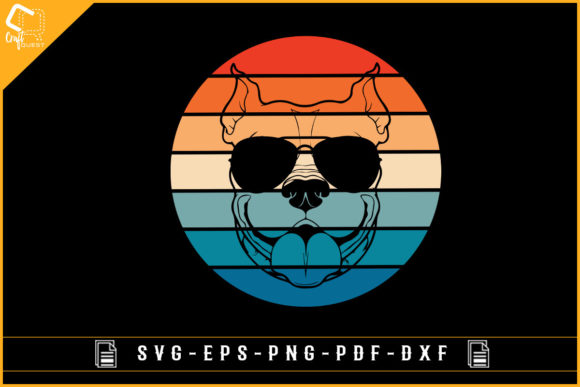
Vintage Retro T-shirt Pitbull Dog Design
First Impressions: Bold, Nostalgic, and Unapologetically Craft-Centric
When I opened the Vintage Retro T-shirt Pitbull Dog Design, what struck me wasn’t just the dog—it was the attitude. Thick outlines, slightly uneven lettering, a sunburst motif behind the head, and that unmistakable 80s/90s screen-printed vibe. This isn’t a photorealistic portrait or a minimalist line art sketch. It’s a craft-first graphic—designed to hold up on fabric, pop in vinyl cut, and translate cleanly into embroidery with smart simplification.
A Real-World Test: Embroidering a Limited-Edition Tote for a Local Rescue Pop-Up
Last month, I used this design as the centerpiece for a limited-run embroidered canvas tote—part of a fundraiser for a pitbull advocacy group. We chose a natural unbleached cotton tote (medium weight, tight weave) and stitched it on a mid-size hoop. The result? Crisp satin-stitched outlines, confident fill-stitch areas in the dog’s chest and collar, and zero thread nesting—even at the curved ear tips. That told me something important: the vector foundation is clean, and the design avoids over-detail where embroidery would struggle. It didn’t try to stitch every whisker or shadow. Instead, it leaned into shape, contrast, and rhythm—the hallmarks of a strong machine embroidery design.
Where This Design Shines (and Where It Asks for Thoughtful Choices)
The Vintage Retro T-shirt Pitbull Dog Design excels in projects where personality outweighs precision. Think sweatshirt embroidery for a small-batch streetwear label, baby embroidery on a soft organic-cotton onesie (using lighter fill stitch density), or an embroidered patch sewn onto a denim jacket. Its bold silhouette reads clearly even at 3.5 inches tall—ideal for caps, aprons, and pillow covers where distance or movement might blur fine detail.
It also works beautifully as a personalized gift: pair it with a short name or year in a complementary retro font, and you’ve got a cohesive, handmade product that feels intentional—not generic. For Etsy sellers and boutique owners, that authenticity builds customer trust faster than a perfectly rendered but emotionally flat design.
Use With Care: Fabric, Fit, and Functionality
This design holds up well on stable, medium-to-heavy fabrics—but tread thoughtfully on stretchy knits (like jersey t-shirts) without proper cutaway stabilizer. On dark fabric, test your thread colors first: the retro palette leans warm (mustard, brick red, charcoal), so white or cream thread can get lost unless you add a light underlay or adjust stitch density. Thin fabrics like tea towels or lightweight linen need reduced fill stitch density and possibly a tear-away + wash-away combo stabilizer to prevent puckering.
Curved surfaces—like the front panel of a structured cap—require careful placement. The dog’s face and collar sit best when centered horizontally; avoid stretching the design across seams or deep curves. And while the file includes PNG and PDF for printable mockups, remember: those are visual guides only. Always test the actual embroidery file on scrap fabric first—especially if you’re planning commercial embroidery or listing finished items on Etsy.
Design Assets That Support, Not Complicate, Your Workflow
What makes the Vintage Retro T-shirt Pitbull Dog Design practical for craft business use is its format versatility: SVG, EPS, DXF, PNG, and PDF files mean you can prep for Cricut cutting, laser engraving, screen printing, *and* embroidery digitizing—without needing to redraw or trace. That flexibility matters when you’re juggling holiday embroidery orders, custom apparel deadlines, and craft fair inventory all at once.
As a reviewer who’s seen too many “retro” designs collapse into muddy fills or jagged edges under thread, I appreciate how this one respects stitch limitations. No tiny interior details that vanish in satin stitch. No overlapping layers that cause thread breaks. Just clear zones for running stitch (outline), satin stitch (collar, eyes), and strategic fill stitch (body). That clarity directly lifts the perceived value of your finished product—and helps customers recognize craftsmanship, not just cuteness.
Stitching Smarter: Five Practical Designer Notes
- Always run a test stitch on scrap fabric matching your final project’s weight and texture—especially before committing to a batch of baby embroidery or holiday embroidery pieces.
- Review stitch density in your embroidery software. If the fill areas feel heavy on lightweight fabric, reduce density by 10–15% and retest.
- Confirm hoop size compatibility. While the design fits standard 4×4 hoops comfortably, double-check if you’re using a compact machine or planning multi-position work on larger garments.
- Inspect small details like the dog’s nose and ear highlights—they’re simplified intentionally, but verify they render cleanly at your chosen size.
- Check licensing terms before selling finished embroidered items or reselling the digital embroidery file. Since this is listed as a Graphics asset in the Crafts category, clarify whether commercial use is included—or if attribution or limits apply.
Final Thought: A Design That Serves the Maker First
The Vintage Retro T-shirt Pitbull Dog Design doesn’t pretend to be everything to everyone. It knows its lane: spirited, wearable, reproducible, and rooted in craft tradition. It’s the kind of design that feels right on a handmade product sold at a farmers’ market, stitched onto a nurse’s scrub cap, or turned into a bold embroidered patch for a rescue volunteer’s backpack. It invites collaboration—not just with your machine, but with your audience’s sense of nostalgia, loyalty, and pride.
If you’re an embroidery designer, Etsy seller, or small shop owner building a recognizable aesthetic, this isn’t just another download. It’s a reliable, mood-driven tool—one that supports your voice instead of drowning it out. Use it with intention, test it with care, and let its retro confidence do the talking.