Dogs SVG Design: My Dog Is My Doorbell
As a designer who’s digitized, stitched, and sold hundreds of embroidery files—and reviewed thousands more—I opened Dogs SVG Design, My Dog is My Doorbell with quiet curiosity. Not hype. Not hope. Just the steady eye of someone who’s seen how charming concepts collapse under needle tension, or how simple layouts sing when stitched on a well-chosen fabric. This isn’t just another “cute dog” graphic. It’s a tiny narrative—playful, warm, slightly cheeky—and that makes its real-world performance matter even more.
First Stitch, First Impression
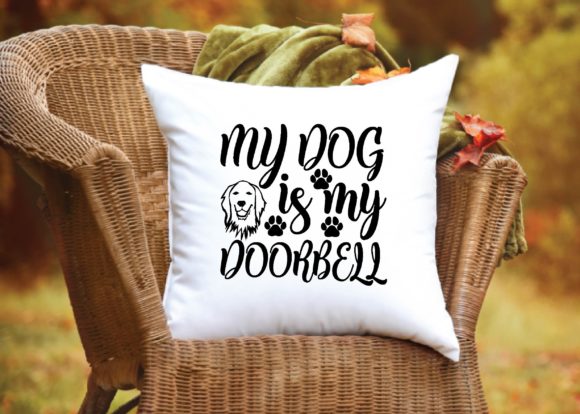
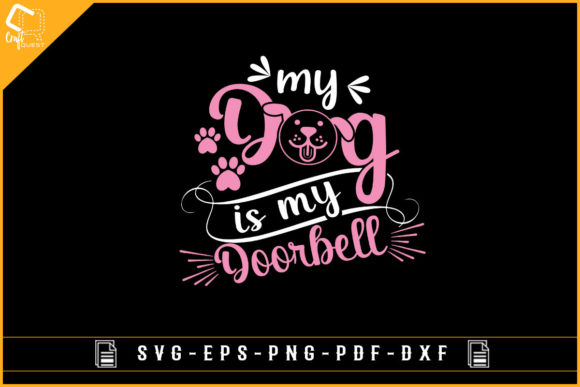
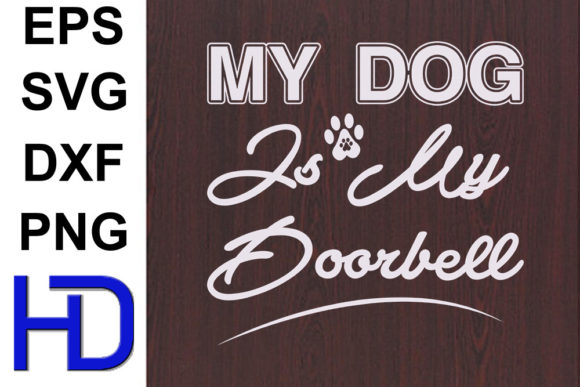
The moment you unzipped the folder—EPS, SVG, PNG, DXF—you could tell this was built for versatility, not just one platform. But what struck me first wasn’t the file types—it was the balance. The dog sits comfortably beside the phrase “My Dog Is My Doorbell,” neither crowding the text nor floating too far away. There’s breathing room. The dog silhouette is friendly but not overly detailed—clean curves, no fussy ears or paw lines that’ll vanish in fill stitch. That’s intentional restraint, not a shortcut. It means Dogs SVG Design, My Dog is My Doorbell won’t fight your machine. It’ll translate cleanly across fabric types, thread weights, and hoop sizes.
A Real Project Test: Embroidering a Linen Kitchen Towel
I pulled out a medium-weight natural linen tea towel—the kind small shops love for boutique kitchen collections. I hooped it with tear-away stabilizer (lightweight cutaway would’ve been overkill here), loaded the SVG into my embroidery software, and resized to 3.8 inches wide. Why that size? Because on a towel, you want legibility at arm’s length—not postage-stamp precision. The lettering held up beautifully. No thin serifs. No tight kerning. Each word sat evenly, and the dog’s outline stayed crisp in satin stitch without needing extra underlay. Customers browsing a craft fair table wouldn’t squint. They’d smile—and reach for their wallet.
Where It Shines (and Where to Pause)
Dogs SVG Design, My Dog is My Doorbell excels in projects where personality meets practicality:
- Custom apparel: Works cleanly on cotton sweatshirts and structured tote bags—especially when placed left-chest or centered on a pocket flap.
- Baby embroidery: Gentle enough for onesies and burp cloths; the rounded shapes avoid sharp corners that snag tiny fingers.
- Embroidered patches: Clean outer edge = easy peel-and-stick backing or sew-on application. No stray anchor points or hidden nodes.
- Holiday or wedding gifts: Fits perfectly on pillow covers, aprons, or personalized kitchen towels—items people keep, not discard.
- Etsy listings: Stands out in thumbnails thanks to strong contrast and clear visual hierarchy—no need to add filters or overlays in mockups.
But let’s be real: it’s not magic. Use caution on:
- Stretchy fabrics like knits or ribbed tees—add light cutaway stabilizer underneath and slow your machine speed to prevent puckering around the dog’s curve.
- Dark fabric backgrounds—test thread colors first. A soft cream or warm gray often reads warmer and more handmade than stark white.
- Caps or curved surfaces—the design fits a standard front-panel cap hoop, but avoid placing it near the bill seam unless you’ve tested stitch pull on that exact cap style.
- Tiny hoops under 4x4 inches—you can shrink it, yes—but below 3 inches wide, the letter spacing starts to feel cramped, and the dog loses presence.
What It Does for Your Craft Business
This isn’t just a machine embroidery design—it’s a subtle trust builder. When a customer sees Dogs SVG Design, My Dog is My Doorbell stitched cleanly on a handmade apron, they don’t just see a dog and a pun. They see intention. They see someone who understands scale, rhythm, and readability. That perception lifts perceived value—especially for Etsy sellers pricing items at $45–$75. It also plays well in digital product bundles: pair it with a coordinating “Cat Is My Alarm Clock” design, and you’ve got a cohesive, story-driven collection—not just random graphics.
Designer Notes You’ll Actually Use
Before stitching your first client order or listing on your shop:
- Test on scrap fabric—same weight and weave as your final project. Linen behaves differently than cotton poplin, and both behave differently than terry cloth.
- Check stitch density—zoom in on your embroidery software. Look for overlapping fill areas in the dog’s body or thick letter strokes. If you see dense clusters, reduce density by 5–10% for better drape and less thread buildup.
- Confirm licensing—this is a Graphics file, not pre-digitized embroidery. If you plan to sell finished embroidered products, verify commercial use rights. If you’re selling the digitized version itself, you’ll need to digitize it yourself—or license a ready-to-stitch version separately.
- Mock it in black and white—some screens wash out subtle contrast. If the design disappears in grayscale, adjust thread color contrast before production.
- Use proper stabilizer—especially for textured fabrics like toweling or bouclé. A lightweight tear-away works for stable weaves; add a layer of water-soluble on top for delicate sheens.
Final Thought: Charm That Stitches True
Dogs SVG Design, My Dog is My Doorbell doesn’t try to be everything. It’s not a complex applique design with 17 layers. It’s not meant for 12-color thread charts or micro-detail embroidery. What it *is*, though, is reliably kind—kind to your machine, kind to your timeline, kind to your customer’s expectations. Whether you’re stitching it onto a baby blanket for a new parent, a patch for a rescue org’s fundraiser, or a limited-run tote for your local coffee shop, it lands with warmth and clarity. In the world of Crafts and Graphics, that kind of consistency—where concept, execution, and emotion align—is rare. And worth keeping in your working library.