My Dog Is My Valentine
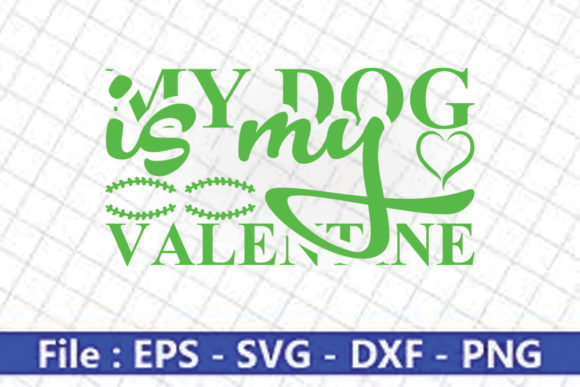
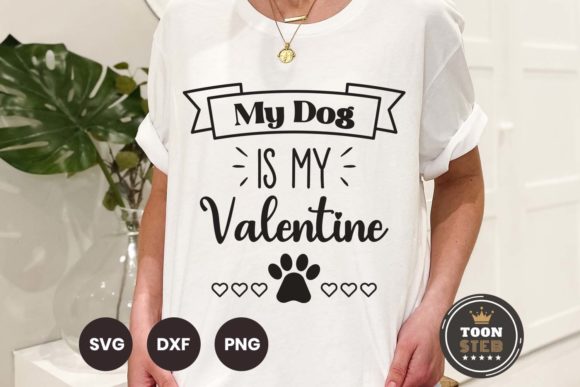
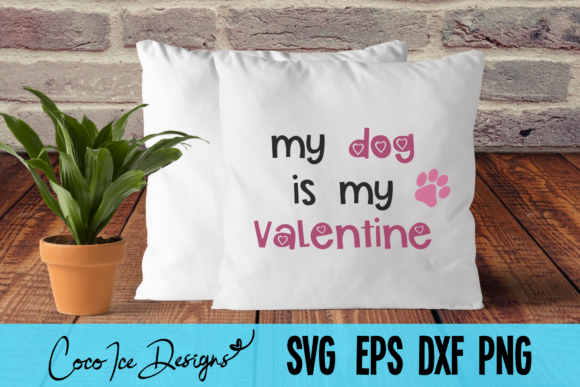
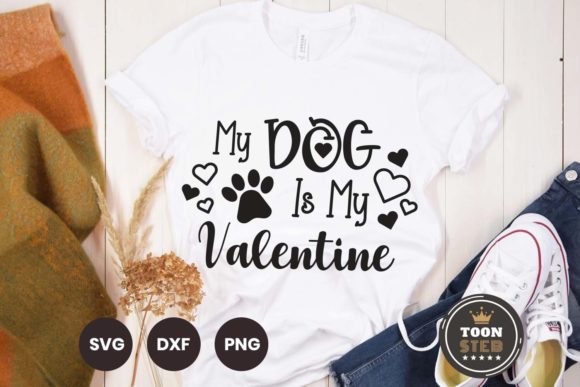
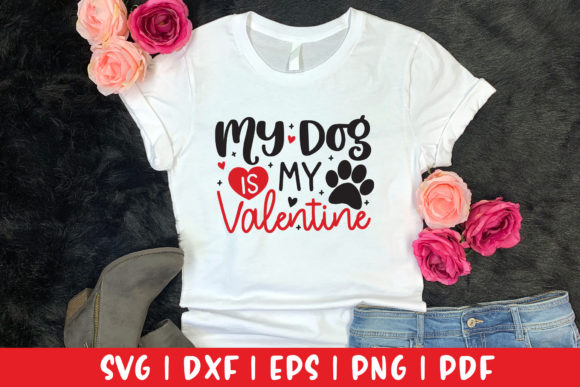
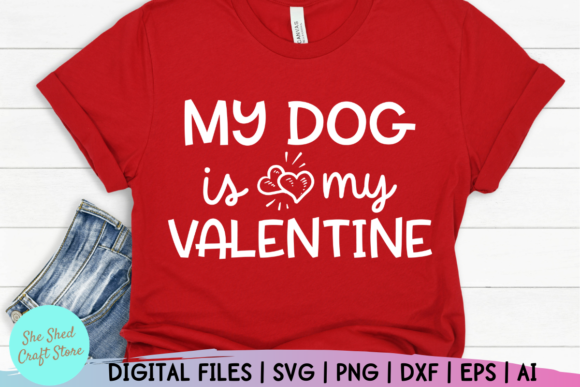
As a designer who’s stitched over 300 custom embroidery projects—from boutique baby onesies to Etsy best-selling tote bags—I opened My Dog Is My Valentine - Valentine s Day expecting charm, but what stood out immediately was its quiet confidence. It doesn’t shout “Valentine’s!” with hearts and glitter; instead, it leans into warmth, sincerity, and that unmistakable bond between people and their dogs. The layout is clean: centered text with subtle paw prints flanking the phrase, soft curves in the letterforms, and just enough visual rhythm to feel handmade—not templated.
I tested it on a medium-weight cotton twill tote bag for a local pet-friendly café’s holiday pop-up. The design sat comfortably at 4.2” wide—ideal for center-chest placement on adult sweatshirts or top-center on kitchen towels. Its proportions hold up beautifully in both satin-stitched outlines and balanced fill-stitch areas. No overcrowded corners, no micro-details that vanish under thread. That matters—because when you’re stitching 50 units for a craft fair, clarity saves time, rework, and customer returns.
This isn’t just a cute phrase—it’s a product-ready embroidery file. As a Graphics asset, it bridges digital flexibility and physical execution. The included SVG, PNG, EPS, DXF, and AI files mean you can prep for embroidery software, cut vinyl for iron-on patches, or drop it straight into a printable mockup for your Etsy listing—all without losing crisp edges. I resized it down to 2.8” for a baby onesie (using lightweight tear-away stabilizer), and the letter spacing stayed legible. Up to 5.5” on a denim apron? Still clean. That versatility is rare in holiday-themed Crafts assets.
Where My Dog Is My Valentine - Valentine s Day shines most is in emotional resonance. Customers don’t buy “Valentine’s embroidery”—they buy recognition. A dog lover sees this and thinks, *Yes—that’s exactly how I feel.* That authenticity translates directly to perceived value. On a personalized gift—say, an embroidered pillow cover for a friend’s adoption anniversary—the design feels intentional, not seasonal filler. It works year-round, which makes it smarter for small shop inventory and repeat listings.
That said, real-world use demands realism. This design performs best on stable, medium-to-heavy fabrics: canvas totes, fleece-lined sweatshirts, linen tea towels, cotton-blend baby blankets. On thin jersey or highly stretchy fabric? Proceed with caution—lettering can distort without proper cutaway stabilizer and careful hooping. I’d avoid it on curved surfaces like structured caps unless you’re using a cap frame and have tested stitch pull on scrap first. The paw prints are small but well-proportioned; they’ll read clearly at 3”+ but may blur if shrunk below 2”. And while the design avoids ultra-thin lines, the lowercase “g” and “y” have gentle terminals—fine on smooth cotton, but test them on textured burlap or looped terry cloth before committing.
For commercial embroidery, licensing is your first checkpoint. The product description confirms it’s a high-quality digital embroidery file—but doesn’t state usage rights. If you’re an Etsy seller bundling this into a “personalized dog lover gift set,” or a craft business selling finished embroidered patches, verify whether the license permits resale of physical products. When in doubt, reach out to the creator. Clarity here protects your brand—and your customers’ trust.
Here’s what I do before any new design hits production:
- Test on scrap fabric—same weight, same weave, same dye lot as the final product.
- Check thread color contrast—especially on dark fabric. This design’s moderate stroke weight holds up well in white or cream thread on navy or charcoal, but avoid pale yellow on beige.
- Review stitch density in your embroidery software. Dense fills look rich on sweatshirts but can stiffen baby clothes—consider simplifying fill areas if needed.
- Confirm hoop size compatibility. At standard scale, it fits comfortably in a 5x7 hoop—but always preview the actual stitch path, not just the outline.
- Inspect small details in black-and-white mockups. Does the “o” in “Dog” stay open? Do the paw prints retain shape? These things impact professionalism at first glance.
- Compare light/dark backgrounds visually—not just on screen. What reads as charming on white cotton might feel washed out on oatmeal linen.
- Use appropriate stabilizer: tear-away for stable wovens, cutaway for knits, and lightweight fusible for delicate items like silk-blend pillow covers.
What surprised me most was how well My Dog Is My Valentine - Valentine s Day supports brand consistency. Whether you’re a solo maker building a cozy, dog-centric brand—or a small shop curating heartfelt holiday merchandise—it adds cohesion without limiting creativity. Pair it with minimalist paw-print borders or simple heart motifs, and you’ve got a mini-collection. Use it alone on a tea towel, and it’s instantly giftable. That flexibility is gold for creative entrepreneurs juggling multiple product lines.
It also earns trust fast. Handmade presentation hinges on legibility, balance, and restraint—and this design delivers all three. No jagged vectors, no inconsistent line weights, no awkward kerning. That polish tells customers you care about craft, not just commerce. For Etsy sellers, that perception lifts conversion rates. For craft fair shoppers, it turns a glance into a purchase.
One final note: While it’s labeled a “Valentines SVG,” don’t box it into February. I’ve used it on spring baby announcements (“My Dog Is My Valentine… and So Is This New Baby”), summer camp staff shirts (“My Dog Is My Valentine & My Co-Pilot”), and even wedding favors (“My Dog Is My Valentine—And My Best Man”). Its emotional core is timeless. That longevity makes it more than a holiday embroidery file—it’s a reliable, repeatable design asset for any craft business serious about meaningful, market-ready work.