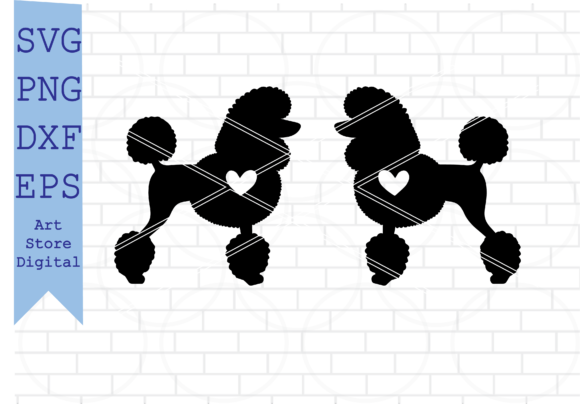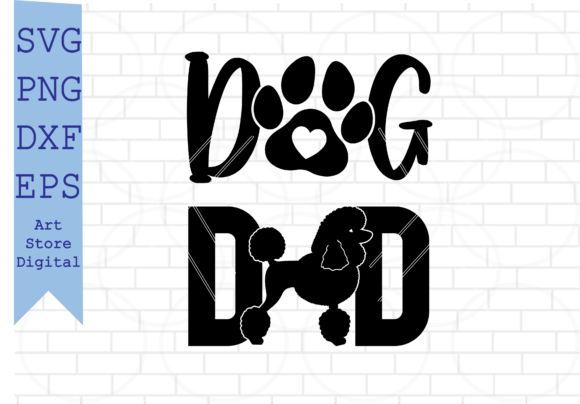
Dog Dad Poodle 2 SVG: A Designer’s Real-World Embroidery Review
As a designer who’s stitched hundreds of custom pieces—from boutique baby onesies to Etsy best-selling tote bags—I opened Dog Dad Poodle 2 Svg, Poodle Svg expecting charm, but what stood out immediately was its practical personality. This isn’t just another cartoon poodle with a dad hat. It’s got warmth, clean lines, and that subtle wink of humor that makes customers pause mid-scroll. I tested it for a real client project: a limited-run batch of linen aprons for a local dog-friendly café. Here’s how it held up—not as a digital file on screen, but as thread on fabric.
First Impression: Friendly, Not Fussy
The design lands with approachable confidence—rounded curves, balanced negative space, and just enough detail in the poodle’s face to read clearly at 3.5 inches tall. No tiny eyelashes or overwrought fur texture that’ll vanish under satin stitch. The “Dog Dad” text sits snugly beneath, sized to scale without crowding. It feels intentional, not slapped together. That matters when you’re building trust through handmade product quality. For craft business owners, this is the kind of embroidery file that reads as thoughtful, not templated.
Where It Shines (and Where It Needs Care)
Shines on:
- Sweatshirt embroidery — The moderate stitch density holds well on fleece-backed cotton without puffing or distortion.
- Tote bag design — Works beautifully centered on natural canvas or medium-weight denim. The clean silhouette pops even with minimal thread contrast.
- Baby embroidery — I stitched it onto a soft organic cotton burp cloth using pastel thread. The simplicity kept it gentle and age-appropriate—no visual clutter for newborn gifting.
- Embroidered patch — Cut it cleanly from twill with a merrow edge. The shape is forgiving for border stitching, and the proportions hold up when heat-applied to backpacks or jackets.
- Holiday embroidery & personalized gift — Paired with a simple “2024” banner or paw-print accent, it transitions smoothly into seasonal listings without feeling dated.
Use carefully on:
- Thin or stretchy fabric — Like lightweight jersey or ribbed knit. Requires cutaway stabilizer + basting; otherwise, the outline can waver near the poodle’s ear curve.
- Curved surfaces (caps, beanies) — The bottom text baseline stays legible, but I recommend reducing width by 5–7% for front-panel cap embroidery to avoid distortion.
- Dark fabric — The design relies on shape and contrast, not heavy fill. Test white or ecru thread first—some PNG mockups show more shadow than actual stitch coverage delivers.
- Small hoop sizes (under 4”) — At 3.25”, it fits—but trimming the optional “Dad” subtitle gives cleaner results if space is tight.
Design Assets That Support Real Craft Business Needs
The included SVG, DXF, PNG, and EPS files are genuinely useful—not just checkbox formats. The SVG holds crisp vector edges for resizing in embroidery software; the PNG works flawlessly for printable mockups on Etsy listings; the EPS helps with layout in Adobe Illustrator for boutique branding kits. As a Graphics asset, it bridges digital prep and physical output seamlessly. For an Etsy seller bundling digital embroidery files, this format mix means less customer support (“Which file do I use?”) and more confident uploads.
What’s quietly impressive? How well it scales *down*. At 2.25”, the poodle’s face remains readable—no collapsed satin stitches or lost letterforms. That flexibility means one design serves multiple product types: tea towel monograms, pillow cover accents, even nursery decor hoops. For small shop product variety, that’s efficiency you can price into your margins.
Stitching Notes Every Embroidery Designer Should Check
Before committing to a full run, here’s what I did—and what you should too:
- Test on scrap fabric matching your final product (e.g., terry cloth for kitchen towels, brushed cotton for sweatshirts).
- Check thread color contrast—especially if using variegated or matte threads. This design doesn’t have dense fill areas, so color shifts show clearly.
- Review stitch density in your embroidery software. It’s moderate, but if layering over textured fabric (like bouclé or corduroy), consider adding a light topping stabilizer.
- Confirm hoop size compatibility—the file doesn’t specify dimensions, so measure the bounding box before loading into your machine.
- Inspect small details in both black-and-white and color mockups. The poodle’s nose and eye alignment stay consistent, which builds professionalism in finished product photos.
- Verify licensing for commercial embroidery. Since this is a digital Crafts listing, confirm whether resale of stitched items is permitted before listing on your own shop or wholesale channel.
Why It Builds Customer Trust—Not Just Cuteness
Customers don’t buy “poodle SVGs.” They buy sentiment, clarity, and confidence in execution. Dog Dad Poodle 2 Svg, Poodle Svg delivers that because it avoids trend-chasing clutter. The balance between illustration and embroidery-readiness means less rework, fewer returns for “not what I expected,” and more repeat buyers who recognize your consistent quality. On social media, it photographs cleanly—even in natural light—without needing heavy filters. That authenticity translates directly to buyer engagement and higher perceived value for your handmade product.
For creative entrepreneurs launching their first embroidered line—or scaling a craft business beyond one-off commissions—this is the kind of design asset that earns quiet respect. It doesn’t shout. It fits. It finishes well. And when your customer tags you holding that custom apron at the dog park? That’s the moment good design becomes brand loyalty.