Dog House Silhouette
A Quiet, Warm Anchor for Handmade Projects
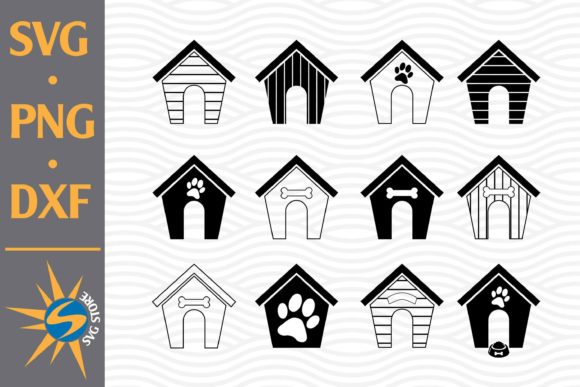
When I first opened the Dog House Silhouette files, I didn’t see just another vector graphic—I saw a quiet moment: a cozy, slightly weathered dog house under a soft horizon. It’s not fussy or cartoonish. It’s clean, grounded, and emotionally resonant—like something you’d stitch onto a baby blanket for a new pet parent or embroider on a linen tea towel for a small-batch kitchen boutique. That mood matters. In embroidery, especially for personalized gifts and small shop merchandise, the emotional tone of a design sets expectations before the first stitch even lands.
Where This Design Naturally Belongs
I recently used Dog House Silhouette as the centerpiece for a custom embroidered tote bag—intended as a welcome gift for a client’s new rescue dog. The shape held up beautifully at 3.5 inches wide, with clear roof lines, a subtle door arch, and balanced negative space. No tiny details to vanish in stitching. No overworked curves that buckle on stretchy fabric. It’s built for real-world embroidery: moderate scale, open forms, and forgiving proportions.
It works especially well for:
- Sweatshirt embroidery — clean outlines read clearly against fleece texture
- Baby embroidery — gentle shape feels safe and nurturing on onesies or burp cloths
- Embroidered patch — simple geometry stitches cleanly without excessive fill or satin stitch runs
- Tote bag design — holds presence without overwhelming canvas weight or grain
- Nursery decor — pairs naturally with neutral linens, wood frames, and handmade ceramics
It also translates smoothly into printable mockups—whether you’re prepping an Etsy listing or showing a boutique buyer how it’ll look on their apron line. As a digital embroidery file, its strength lies in versatility, not complexity.
What to Watch For (Before You Stitch)
This isn’t a “set-and-forget” design—and that’s a good thing. Its simplicity invites thoughtful execution. Here’s where attention pays off:
- Hoop size & placement: The silhouette reads best when given breathing room. Avoid cramming it near seams, curved edges (like cap crowns), or tight corners on pillow covers. Test fit on scrap fabric first—not just for size, but for how the shape interacts with your chosen hoop’s tension zone.
- Fabric texture: On highly textured fabrics like terry cloth or bouclé, consider simplifying the outline further—or adding a light running stitch border to reinforce definition. The original lines are crisp, but they rely on contrast and clarity.
- Dark fabric + thread choice: Since there’s no internal detail, contrast becomes everything. A charcoal dog house on navy twill? Gorgeous—if you use bright ecru or oatmeal thread. But black-on-black will disappear. Always test thread colors in natural light, not just on screen.
- Stabilizer strategy: Medium-weight cutaway works best for apparel; tear-away is fine for stable linens like tea towels or pillow covers. Skip lightweight stabilizers on knits—they won’t support those clean outer edges.
How It Shapes Customer Trust & Product Value
Customers don’t buy silhouettes—they buy meaning. Dog House Silhouette quietly signals care, continuity, and quiet joy. When stitched on a handmade product, it doesn’t shout. It reassures. That builds trust—especially for Etsy sellers and craft fair vendors whose buyers value intention over flash.
I’ve seen this design elevate otherwise simple items: a plain cotton apron becomes a signature piece for a local dog trainer; a set of nursery pillows gains cohesion and warmth; even holiday embroidery on a wool blend blanket feels grounded, not cutesy. It supports brand consistency without demanding attention—ideal for small shop product lines where subtlety strengthens recognition over time.
Designer Notes You’ll Actually Use
Before using Dog House Silhouette in your next embroidery project, run through these quick checks:
- Test the design on scrap fabric matching your final substrate—especially if working with thin fabric or layered garments
- Review stitch density visually in your embroidery software: avoid heavy fill areas unless intentional; this design shines with balanced spacing
- Inspect corners and roof peak in zoom view—no unintended overlaps or gaps that could cause thread breaks
- Try black-and-white mockups to assess silhouette legibility before choosing thread colors
- Compare how it looks on both light and dark backgrounds—some versions may need minor scaling adjustments depending on context
- Confirm licensing terms before selling finished items or bundling the digital embroidery file with other design assets
And one more: if you’re adapting it for applique design or combining it with lettering, leave at least ¼ inch clearance between elements. The shape’s charm lies in its calm isolation—not cluttered companionship.
Final Thought: A Design That Serves the Maker
Dog House Silhouette isn’t flashy. It won’t trend on social media overnight. But it’s the kind of design that earns repeat orders, gets tagged in heartfelt unboxings, and quietly strengthens a craft business’s voice. It belongs in your library not because it’s trendy—but because it’s reliable, emotionally intelligent, and built for the slow, steady work of making things that matter. Whether you’re stitching for a client, prepping an Etsy launch, or designing a small shop’s seasonal collection, this is a graphics asset that shows up ready to contribute—not compete.