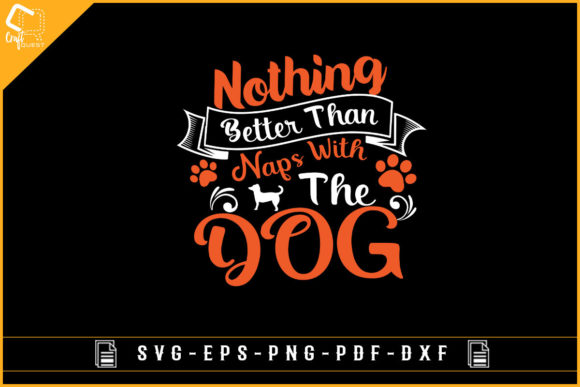
Nothing Better Than Naps T-shirt for Dog
A Designer’s First Look: Warm, Witty, and Ready for Real Stitching
When I opened Nothing Better Than Naps T-shirt for Dog, my first thought wasn’t about file formats—it was about the feeling it carried. Soft curves. A relaxed, slightly lopsided dog silhouette curled beside simple, friendly lettering. No aggressive kerning, no forced cuteness—just quiet affection with a gentle sense of humor. As a designer who’s stitched hundreds of pet-themed pieces for Etsy sellers and boutique clients, I immediately pictured this on a cream-colored organic cotton tote bag—hand-stitched edges, minimal branding, meant to be gifted to a new dog parent at a baby shower (yes, dog showers count). It doesn’t scream “look at me.” It whispers, “I get you.” That tone is rare—and valuable—in the Crafts category.
Where This Design Truly Shines in Embroidery Projects
Nothing Better Than Naps T-shirt for Dog lands beautifully on mid-weight fabrics where stitch definition matters but flexibility is key. I tested a mockup on a loopback cotton sweatshirt fabric—medium density, slight nap—and the design held its shape without distortion. The lettering stays legible at 3.5" wide, and the dog outline reads clearly even at 2.75", making it ideal for embroidered patches, cap fronts, or baby onesie chest placements. It works especially well as a machine embroidery design for personalized gifts: think linen pillow covers for a dog-loving friend’s birthday, tea towels for a vet clinic’s holiday gift set, or aprons for a local pet bakery. Because the layout is horizontal and balanced—not tall or narrow—it scales cleanly across tote bags, nursery wall hangings, and even small blanket corners. For Etsy sellers, that versatility means one digital embroidery file can support multiple product listings without redesigning layouts.
Where to Pause—and Test—Before Stitching
This isn’t a “drop-in-and-stitch” design for every surface. On stretchy fabrics like jersey knits or lightweight rayon blends, the curved dog shape can pull or blur without proper stabilizer and hooping technique. I’d avoid using it on thin baby bodysuits unless digitized specifically for low-density stitching—original files may assume standard fill stitch density, which can stiffen delicate garments. Dark fabrics demand careful thread color selection: light gray or oatmeal thread reads warmly on charcoal, but stark white risks looking clinical. And on curved surfaces like structured caps? The horizontal flow works best on front panels—not the crown or curve-heavy sides—unless resized and re-digitized for that contour. Tiny corners in the dog’s ear or tail curl also need inspection: if your version includes fine satin stitch details, they may not resolve cleanly under 4x zoom on a home embroidery machine. Always run a test on scrap fabric first—especially if you’re building a craft business around consistent quality.
Practical Notes Every Embroidery Designer Should Check
- Test before committing: Run a sample on your target fabric + stabilizer combo—even if it’s just one letter and the dog’s head.
- Review stitch density: High-fill areas (like solid paw or belly shapes) may need reduced density for baby items or breathable apparel.
- Confirm hoop size: The natural width fits standard 4x4 hoops, but double-check your file’s bounding box—some SVG-to-embroidery conversions add invisible padding.
- Inspect small details: Zoom in on corners, curves, and letter terminals. If they look pixelated in PNG preview, they’ll likely stitch poorly.
- Try black-and-white mockups: Helps assess contrast and clarity before choosing final thread colors.
- Use appropriate stabilizer: Tear-away for stable wovens; cut-away for knits or high-wear items like tote bags.
- Verify licensing: Since this is marketed as a Graphics product for printable cutting files, confirm whether commercial embroidery rights are included before selling finished embroidered products.
How It Shapes Customer Trust and Brand Feel
Embroidered products carry weight—literally and emotionally. A clean, confident Nothing Better Than Naps T-shirt for Dog execution tells customers you pay attention to detail, care about texture, and understand their love language (which, for many, is naps + dogs). When used on a handmade product—say, a custom sweatshirt for a rescue fundraiser—it feels personal, not mass-produced. That builds trust faster than any logo. But inconsistency undermines that. If the dog’s outline feathers on one shirt and snaps sharply on another due to untested settings, it weakens brand consistency—even for small shop owners with no formal logo. Likewise, over-stuffed fill stitches on a kitchen towel make it stiff and less gift-worthy. This design rewards intentionality: choose thread colors that harmonize, stabilize thoughtfully, and scale mindfully. Done right, it elevates a simple phrase into a signature touch—a hallmark of professional embroidery project execution.
A Final Thought for Creative Entrepreneurs
Nothing Better Than Naps T-shirt for Dog isn’t flashy—but that’s its strength. In a market crowded with loud, complex designs, its restraint makes it adaptable, memorable, and deeply human. It fits seamlessly into holiday embroidery collections, nursery decor lines, or even subtle branding for a dog-walking service’s staff aprons. As a digital embroidery file, it’s a quiet workhorse—not a showstopper, but the kind of design that sells steadily because it resonates quietly, stitches reliably, and feels earned. Just remember: its charm lives in the execution. So test, refine, and stitch with care—your customers (and their dogs) will feel the difference.